

Dilated cardiomyopathy (DCM) is a disease of the heart muscle characterized by ventricular dilation and systolic dysfunction leading to heart failure (HF). Its incidence is approximately 0.57 cases per 100 000 people-year. (1,2) The etiology of DCM is multifactorial, with idiopathic cases being most common. Other causes include myocarditis, neuromuscular diseases, ischemia, genetic abnormalities, metabolic disorders, toxins, arrhythmias, and endocrine disorders, among others. (1,2)
Congenital complete atrioventricular block (CCAVB) is a rare condition with an incidence of 1 per 20 000 live births (LB). Early diagnosis is feasible with fetal echocardiography. It is well known that an inadequate heart rate (HR) leads to ventricular dysfunction in some patients with the subsequent development of DCM, which is generally reversible with permanent ventricular pacing. (3)
Among metabolic causes, very long-chain acyl-coenzyme A (acyl-CoA) dehydrogenase deficiency (VLCAD) is an extremely rare condition, with an incidence of 1 per 30 000–100 000 LB. This metabolic disorder is caused by mutations in the ACADVL gene and is categorized into three well-defined subgroups: a) the severe infantile form typically presents within the first few months of life and is characterized by cardiomyopathy, hypoglycemia, arrhythmias, and episodes of severe metabolic decompensation; b) the moderate form presents during childhood with episodes of hypoglycemia, liver involvement and less cardiac compromise; c) the late-onset form, that occurs in older children or adults and is characterized by myopathy, exercise intolerance, and recurrent rhabdomyolysis. (4) Treatment includes restricting the intake of long-chain fatty acids and supplementing with medium-chain fatty acids and carbohydrates.
We present the case of a 3-year-old female patient who was admitted to hospital in cardiac arrest which recovered following advanced resuscitation maneuvers. She had a history of prenatal diagnosis of CCAVB that was confirmed at birth, associated with maternal systemic lupus erythematosus. During follow-up at another center, the patient developed progressive left ventricular (LV) dilation associated with systolic dysfunction. For this reason, dual-chamber epicardial pacemaker (PM) was implanted at age 2. (Figure 1). Despite treatment, cardiac function worsened.
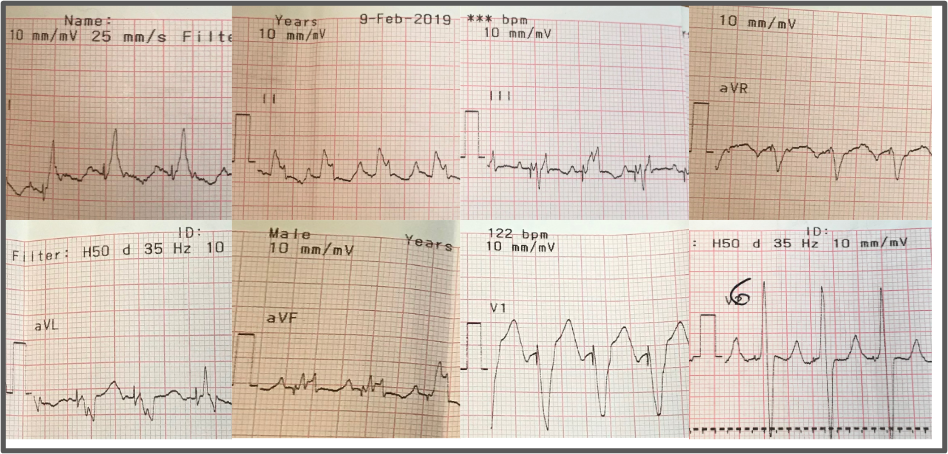
Four months before admission, the patient had experienced seizures interpreted as secondary to ischemic stroke (consistent with brain CT scan findings) and was hospitalized several times for hypoglycemia, without a definite diagnosis.
During the clinical interview, the family highlighted the occurrence of repeated episodes of sweating, tachypnea, dizziness, diaphoresis, and altered mental status, which resolved after drinking sugar-sweetened beverages.
The rapid progression of DCM with progressive impairment of left ventricular ejection fraction (LVEF) despite optimal medical treatment and pacemaker programming, along with frequent episodes of hypoglycemia, suggested an etiology of DCM other than CCAVB (Figure 2). Laboratory tests ruled out rheumatologic, endocrine, and infectious causes of DCM. A comprehensive metabolic workup performed during an episode of hypoglycemia revealed a metabolic deficiency (VLCAD), which was responsible for the unusual course of his disease.
Fig. 2
Transthoracic echocardiogram, parasternal short-axis view, M-mode, showing left ventricular dilation and septal dyskinesia.

The patient presented an atypical and severe form of VLCAD with serious cardiac involvement. The diagnosis was challenging and difficult because it occurred concurrently with CCAVB.
In this case, we emphasize the importance of considering other, less common causes when common diagnoses such as CAVB and DCM do not respond adequately to conventional treatment or present unexplained manifestations, such as hypoglycemia and nonketotic acidosis. A high level of clinical suspicion along with ordering metabolic tests was essential to reaching the definitive diagnosis. Therefore, we conclude that when a patient’s course does not align with expectations after standard therapy, we must investigate other possible causes, including less common ones.
Once the diagnosis of VLCAD deficiency is made, early specific dietary treatment should start and be based on restriction of long-chain fatty acids, supplementation with medium-chain triglycerides, and adequate carbohydrate intake to prevent episodes of hypoglycemia. Prolonged fasting should be avoided, and individualized nutritional adjustments should be tailored according to age and metabolic needs. In situations of metabolic stress (infections, surgeries, fever), intravenous glucose should be administered.(5)
Family genetic counseling is also an essential tool in the comprehensive management of these patients.
Ethical considerations
As the patient passed away in 2019, the healthcare professionals committed to maintaining data protection and confidentiality, in accordance with the provisions of National Law No. 25,326 (Personal Data Protection Act). A waiver of informed consent was requested. Approval has been granted by the institutional review board of Hospital Nacional Prof. Dr. Alejandro Posadas under ethics approval code: Ccari971/25