
Atherosclerosis and Oxygen-Free Radicals
pp 581-587
DOI:
https://doi.org/10.7775/rac.v62i6.3544Keywords:
Atherosclerotic plaque, Oxygen-free radicals, Plaque rupture, Unstable plaque, Vitamin EAbstract
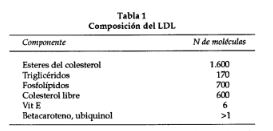
The major life-threatening events in atherosclerosis are precipitated by the plaque. The initiation of atherosclerosis results from arterial shear stress in particular areas (bending points, bifurcations, etc.) producing a chronic endothelial damage (type I injury). The endothelial cells might generate (through the activation of the xantio-dehydrogenase/oxidase system) oxygen-free radicals that in presence of Fe would oxidize LDL. However, macrophages seem to be the most active cells in oxidizing LDL. The nature and origin of free radicals are controversial. It is not known whether cells oxidize LDL by releasing simple oxidizing agents super-oxide or hydrogen peroxide or by releasing lipidperoxidation products. Whatever the mechanism, the polyunsaturated fatty acids in LDL become oxidized. The activated macrophages internalize the oLDL and become "foam cells", which contribute to the plaque formation. The plaque rupture de-pends on plaque composition (lipid or fibrocalcified) rather than on plaque size or volume.Only plaques rich in lipids (soft or unstable), are vulnerable. Compared with intact caps, they have less tensile strength, collagen, glycosaminoglycans, smooth muscle cells and more macrophages and extracellular lipids. The oxidation of LDL is in in-verse relation to its concentration in vitamin E. Lipoproteins, among them LDL, are the natural carriers of vitamin E and this vitamin exerts an antioxidant protective action on the lipid macromolecule. By providing hydrogen atoms during lipoperoxidation, vitamin E interrupts the link process that produces new perosides and, therefore, might impede the growth of the atherosclerotic plaque.
Downloads
Published
Issue
Section
License
Copyright (c) 2026 Argentine Journal of Cardiology

This work is licensed under a Creative Commons Attribution-NonCommercial-ShareAlike 4.0 International License.





