
Drosophila melanogaster, an Emerging Animal Model for the Study of Human Cardiac Diseases
pp. 406-411
DOI:
https://doi.org/10.7775/rac.es.v84.i5.8711Keywords:
Drosophila melanogaster - Transgenesis - Calcium - CaffeineAbstract
Background: The need to work with model organisms in medical research has revealed the usefulness of the fruit fly Drosophila melanogaster, considering its advantages to perform classic genetic studies and modern techniques of genome edition. Several human genes are similar to those of the fruit fly. We have developed for the first time in the country a cardiovascular line of research to study the genetics of aging, addictions and chronic consumption of substances in humans like caffeine.
Objective: The aim of this study was to provide experimental evidence that validates Drosophila melanogaster as a model to study human cardiomyopathies related to the pharmacological action of caffeine on the heart.
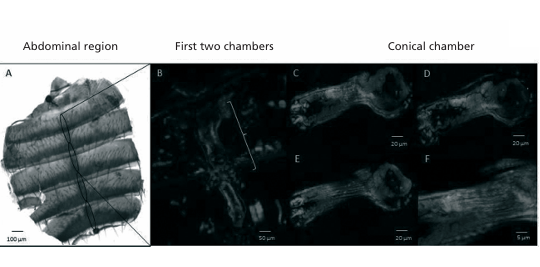
Methods: Cardiac function and the effect of caffeine were studied in semi-intact preparations of Drosophila melanogaster. Heart rate and the intracellular calcium transient were recorded and analyzed in 3, 7 and 40-day-old adult flies harboring one genetically encoded reporter system. Hearts of adult flies were dissected to show the myofibrillar structural organization and specific proteins such as SERCA.
Results: Aging and caffeine alter contraction rate and intracellular calcium handling in the adult heart of Drosophila melanogaster in a similar way as mammals.
Conclusion: The study supports the use of this model of fast and easy reproductive cycle to identify the genes involved in the mechanisms through which aging, caffeine (and other substances) and environmental factors affect the heart.
Downloads
Published
Issue
Section
License
Copyright (c) 2016 Argentine Journal of Cardiology

This work is licensed under a Creative Commons Attribution-NonCommercial-ShareAlike 4.0 International License.





