
Directional Coronary Atherectomy: Clinical-Pathological Correlation in Obtained Biopsies
pp 139-147
DOI:
https://doi.org/10.7775/rac.v63i2.3349Keywords:
Directional atherectomy, Coronary biopsy, Intravascular ultrasoundAbstract
Background Correlate clinical findings with pathology in biopsy samples obtained in patients during directional atherectomy. Methods A total of 127 samples from an equal number of patients were analyzed. The mean patients age was 57.6±10.5 years and 107 (84.3%) were males. Lesions were primary in 111 (87.4%) and restenosis in 16(12.5%). In the group of primary lesions, 83 (74.7%) had unstable angina and 28 (22.1%) stable angina. Biopsy findings were classified in 3 types: fibrolipidic plaque (predominant fibrous tissue with lipid deposits or macrophages with lipid deposits), pure fibromuscular hyperplasia (intimal proliferation of smooth muscle cells), and mixed fibromuscular hyperplasia (when associated with connective tissue). Calcium, thrombi, hemorrage and inflammatory cells were also considered. Results Fibromuscular hyperplasia was more frequent in restenosis than in primary lesions (75 vs 25.2%; p <0.0001) and from those, the pure form was more common. In restenosis patients, the appearance of symptoms after PTCA took a little longer in patients with the fibromuscular hyperplasia type (5.6 ± 4.5vs 2.2 ± 1.6 months) but without statistical significance. Thrombi were found in 16 samples (12.5%) and no differences were observed among clinical groups (unstable angina 15.7%, stable angina 10.7%, restenosis 0%). Calcium was found in 56 (44.1%) of samples and inflammatory cells in 33(25.9%). Regarding calcium, although there are no differences among clinical groups it is a non-significant tendence of the finding in younger groups (< 50 yrs: 38.2%; 50-70 yrs: 22.5% and > 70 yrs 15.4%). Hemorrage was seen in 25 (19.7%) samples with a lower incidence in the stable angina group (unstable angina 24.1%, restenosis 25%, stable angina 3.6%;p < 0.03).Conclusions1) Fibromuscular hyperplasia was the most frequent mechanism in restenosis. 2) There is a slight trend towards a lower incidence of fibromuscular hyperplasia in patients with a shorter time from PTCA to restenosis. 3) Fibromuscular hyperplasia was found in other types of vascular injury not related to PTCA with a higher incidence in stable angina. 4) A low incidence of thrombi was detected in spite of the fact that a large number of patients had unstable angina.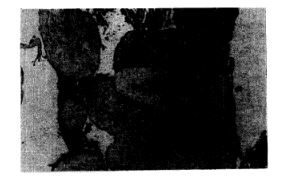
Downloads
Published
2026-03-13
Issue
Section
ORIGINAL ARTICLES
License
Copyright (c) 2026 Argentine Journal of Cardiology

This work is licensed under a Creative Commons Attribution-NonCommercial-ShareAlike 4.0 International License.





