Rheological and Biomechanical Factors Influencing Atherosclerosis and Restenosis. Part Two
pp 297-308
DOI:
https://doi.org/10.7775/rac.v65i3.3515Keywords:
Shear stress, Circumferential tensile stress, Plaques rupture, Restenosis, Vascular remodelingAbstract
The spontaneous rupture of atherosclerotic plaques and coronary angioplasty involve an important vascular wall injury. The spontaneous rupture with over imposed thrombotic oclusion is nowadays considered the principal cause of acute myocardial infarction, and the restenosis is the most common complication of coronary angioplasty. The composition of atherosclerotic plaques seems to be the most important determinant of rupture and thrombosis in myocardial infarction, but this is inevitable related to the influence of the biomechanical forces. Shear stress and circumferential tensile stress are frequently involved in the rupture of atherosclerotic plaque and also in restenotic process, in this case, through their effects on vascular remodeling and intimal hyperplasia. This review considers the basic principles of fluid dynamics in presence of stenosis, general notions regarding mechanics of vascular wall and finally introduces the concepts of circumferential tensile stress and vascular remodeling.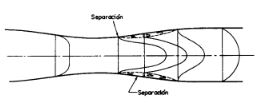
Downloads
Published
2026-03-30
Issue
Section
ORIGINAL ARTICLES
License
Copyright (c) 2026 Argentine Journal of Cardiology

This work is licensed under a Creative Commons Attribution-NonCommercial-ShareAlike 4.0 International License.