
Study on the Preservation of Post Mortem Valvular and Arterial Tissue Viable and Sterile to be Used as Prothesis in Cardiovascular Surgery (Fresh Homograft)
pp 627-634
DOI:
https://doi.org/10.7775/rac.v62i6.3550Keywords:
Fresh homograft, Cardiac valves, ExperimentalAbstract
Background
Homograft valves are widely used in routine cardiovascular surgery. It has been demonstrated that it is possible to preserve valvular and arterial tissues viable and sterile by using a nutrient medium with antibiotics; thus allowing the development of homograft banks. The objective of this study was to preserve valve and arterial tissues from routine postmortem, viable and sterile during a 4-week period.
Methods
Hearts and arteries were obtained from 7 human routine postmortems, 30 rats, 6 dogs and 2 pigs. In all cases, autopsies were performed in a socially clean but non-sterile environment. Hearts were maintained in physiological solution for 4 to 26 hours after removal. Dissection of the heart valves and arteries was performed under laminar flow and a septic conditions. Blood samples were taken for serological screening. Homografts were divided into pieces and immersed in nutrient medium with antibiotics (Brompton's Hospital formula plus amphotericin B). Samples were kept at room temperature for 24 hours and then stored at 4°C.Samples were cultured and histologically assessed at 24 hours (room temperature sample) and then weekly. Cultures from tuberculosis, Gram positive and negative bacteria, fungi and post-mortem contaminants were performed. Viability was assessed by a semiquantitative method comparing each sample with a control.
Results
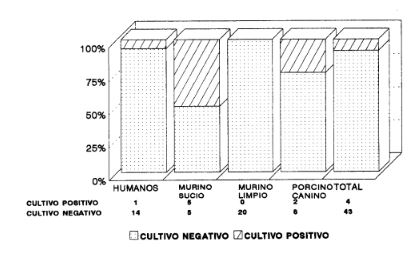
Cultures included 30 murine; 56 porcine/canine; and 72 human samples. Twenty-four murine, 56 canine/porcine, and 72 human samples were histologically assessed. Cultures were negative in 93% (14/15) human; 83% (25/30) murine, and 75% (6/8) of canine/porcine samples. Viability was 75-85% in the fourth week for all groups.
Conclusions
According to these results, it is possible to preserve post mortem valvular and arterial tissues sterile and viable in a nutrient medium with antibiotics at 4° C during a 4-week period. It is possible to create a fresh homograft bank with an 8% process failure due to contamination and a viability rate over 70%.
Downloads
Published
Issue
Section
License
Copyright (c) 2026 Argentine Journal of Cardiology

This work is licensed under a Creative Commons Attribution-NonCommercial-ShareAlike 4.0 International License.





