
Plasma Fibrinogen as a Cardiovascular Risk Factor: Its Prognosis Repercussion
pp 535-540
DOI:
https://doi.org/10.7775/rac.v63i6.3777Keywords:
Fibrinogen, Cardiovascular risk factors, Coronary artery disease, Intermittent claudicationAbstract
Background
The fibrinogen is a glicoprotein which, besides participating in the coagulation process, has an important pro-atherogenetic role. The aim of this study was to analyze the "strength" of this relation and its prognosis repercussion within cardiovascular pathology.
Method
Plasma fibrinogen was measured in 107 patients with an accurate diagnosis of coronary heart disease and in 88 control patients; all of them under 70 years old, being the major subgroup of people between 51-69 years old (in both groups). The "coronary" group included 27 patients with previous infarction, 28 entered to the CCU because of an acute myocardial infarction and 52 with angio-graphically detected significant artery lesions.
Results
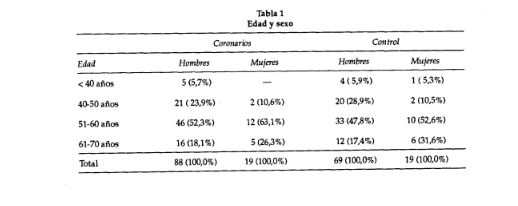
Both groups registered a similar structure in relation with sex and age distribution. Increase cholesterol and triglycerides and diabetes mellitus back-ground were significantly higher in the coronary group, while there was no significant differences in arterial hypertension and smoking habit. The coronary group registered a significant higher fibrinogen in comparison with the control group either in men or women: 54.38% average (p < 0.001). Men between 40-50 years old and women between51-60 had the higher variation, quite slightly higher in women (11.2%-NS-). After 6 months follow-up of the acute myocardial infarction group patients, there was a trend to a direct correlation between the fibrinogen value and complications. The same happened with diabetes mellitus and high triglycerides. In the control group, the risk factors had a quite normal distribution. Patients with peripheral artery disease plus artery coronary disease showed a 65.3% plasma fibrinogen increase.
Conclusions
These results demonstrated strong evidences that plasma fibrinogen is a very important cardiovascular risk factor, with a clear prognostic value in those patients with a previous coronary artery disease plus peripheral artery disease. Under this point of view it would be a logic strategy to add regularly the fibrinogen measurement, awaiting a positive pharmacological intervention.
Downloads
Published
Issue
Section
License
Copyright (c) 2026 Argentine Journal of Cardiology

This work is licensed under a Creative Commons Attribution-NonCommercial-ShareAlike 4.0 International License.





