Telemonitoring in Cardiology
pp 137-144
DOI:
https://doi.org/10.7775/rac.v76i2.2452Keywords:
Heart Failure, Congestive, Defibrillators, Pacemaker, Artificial, Hypertension, Pulmonary, Heart Valve Prosthesis, Sleep Apnea Syndromes, Sudden Infant Death, Monitoring, Cost-Benefit AnalysisAbstract
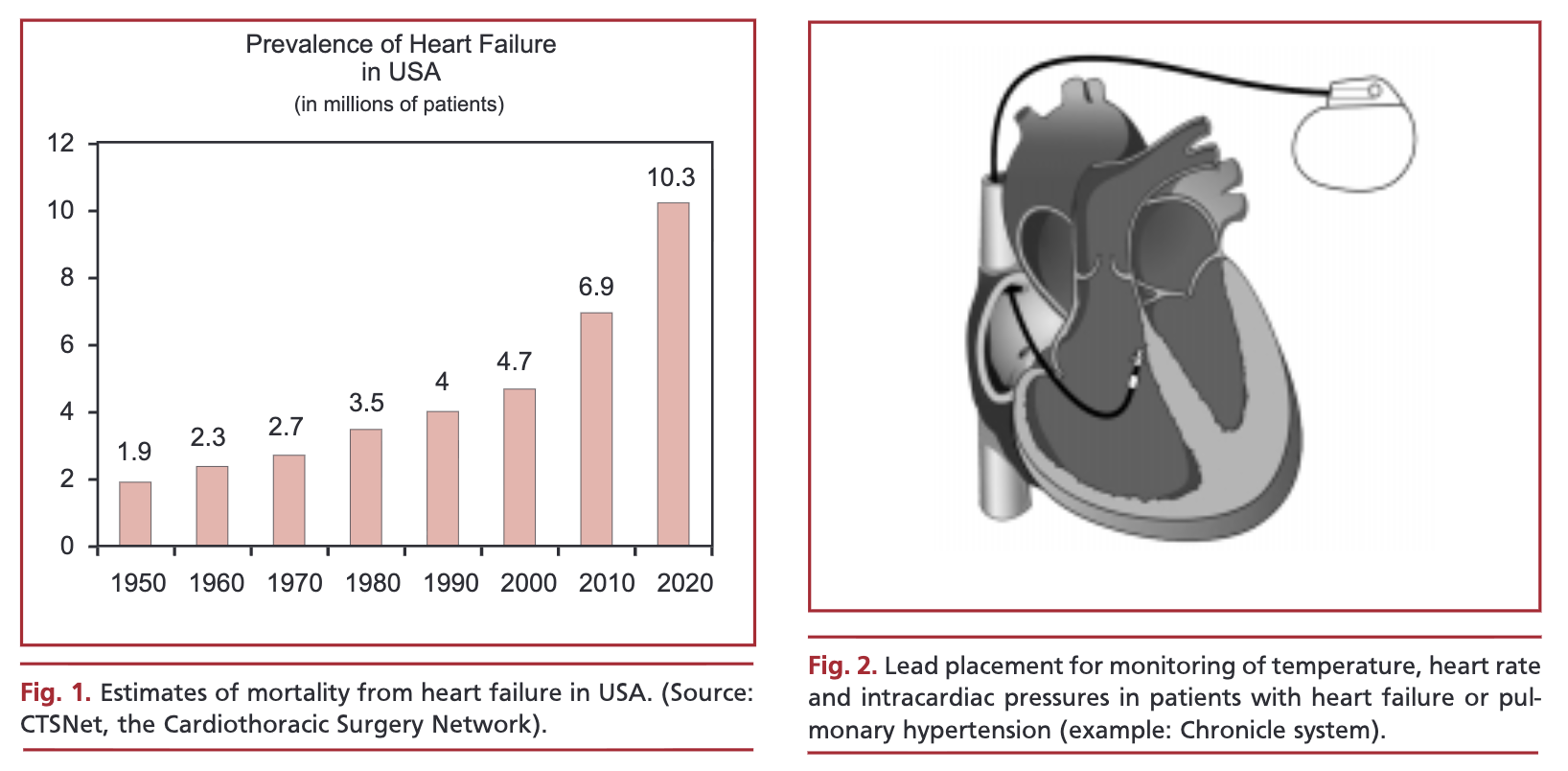
Telemonitoring (home monitoring) builds bridges between clinicians and patients with communication technology. Telemonitoring in cardiology is currently applied in the following situations: follow-up of patients with heart failure (by measuring heart rate, pulse oximetry, intracardiac pressures and pulmonary impedance for diagnosis of pulmonary edema), assessment of pacemaker and implantable cardioverter defibrillator function, monitoring of patients with pulmonary hypertension who are receiving long-term treatment with new drugs, follow-up of patients with sleep apnea, prevention of sudden infant death syndrome, and monitoring of patients with heart valve prosthesis. Trans-telephonic or Internet Monitoring are simple approaches which do not need any extraordinary devices at home. Our team is currently investigating the use of RADAR technology for telemonitoring in cardiology. Home monitoring has the potential for widespread implementation as it can be easily applied to large patient populations and integrated into the current medical care systems. The final objective is to improve the outcomes of current treatments and to reduce the costs of health care.
Downloads
Published
Issue
Section
License
Copyright (c) 2025 Argentine Journal of Cardiology

This work is licensed under a Creative Commons Attribution-NonCommercial-ShareAlike 4.0 International License.