
Prevalence of Chagas disease among schoolchildren in Buenos Aires City
pp 364-368
DOI:
https://doi.org/10.7775/rac.v70i5.2661Keywords:
Chagas disease, Non-endemic area, Schoolchildren, Vertical transmissionAbstract
Background
The prevalence of Chagas disease in schoolchildren of Buenos Aires City has not been studied.
Aims
To evaluate Chagas disease prevalence among schoolchildren in the Buenos Aires City.
Method
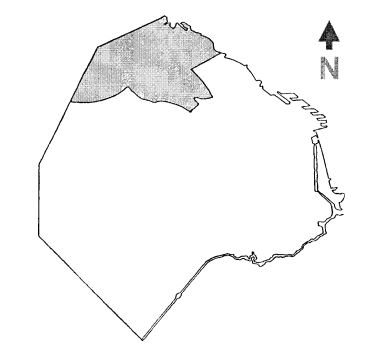
Data on place of birth and residency, previous blood transfusion or former diagnosis of Chagas disease were gathered among schoolchildren and their mothers in a defined area of Buenos Aires City comprising 57 schools and 16313 pupils. According to that information, each child was classified as suspicious or nonsuspicious of having Chagas infection. Suspicious children were serologically studied with haemoagglutination and ELISA tests.
Results
The 15357 questionnaires properly answered allowed to categorize 9638 children as non-suspicious and 6719 as suspicious of bearing Chagas infection. Among these, 1931 were serologically studied and 7 were found positive. Only 2 of these children carne from endemic zones. The other 5 were born and spent their lives in Buenos Aires City. However, mothers of all these children carne from endemic areas.
Conclusions
In a definite area -not representative of its entire territory- of Buenos Aires City, 0.3% of schoolchildren considered suspicious of carrying Chagas disease were confirmed to have the infection. As 5 of the 7 infected children were born and lived in a non endemic area (Buenos Aires City), it is clear that the infection was vertically acquired. This fact underlines the importance of congenital Chagas disease detection at delivery, since this procedure makes it feasible to achieve the parasitological and serological cure with parasiticidal drugs in almost all the cases so far identified.
Downloads
Published
Issue
Section
License
Copyright (c) 2026 Argentine Journal of Cardiology

This work is licensed under a Creative Commons Attribution-NonCommercial-ShareAlike 4.0 International License.





