
Prevalence of Risk Factors and Global Cardiovascular Risk in the Population of Tres Lomas
pp 450-458
DOI:
https://doi.org/10.7775/j897pn52Keywords:
Risk factors, Cardiovascular, Epidemiological surveillance, Non-communicable diseasesAbstract
Background
Cardiovascular diseases are the first cause of mortality in developing countries and deaths attributed to these conditions are increasing. In Argentina, cardiovascular diseases and cancer account for more than 50% of annual deaths. Unlike infectious diseases, these conditions are generically called non-communicable diseases, and it has been demonstrated that they can be prevented through an adequate control and management of cardiovascular risk factors. Thus, it is essential to report the prevalence of these risk factors and how they change over time in order to perform an epidemiological surveillance of the problem of cardiovascular diseases in the population and, in turn, propose preventive community actions.
Objectives
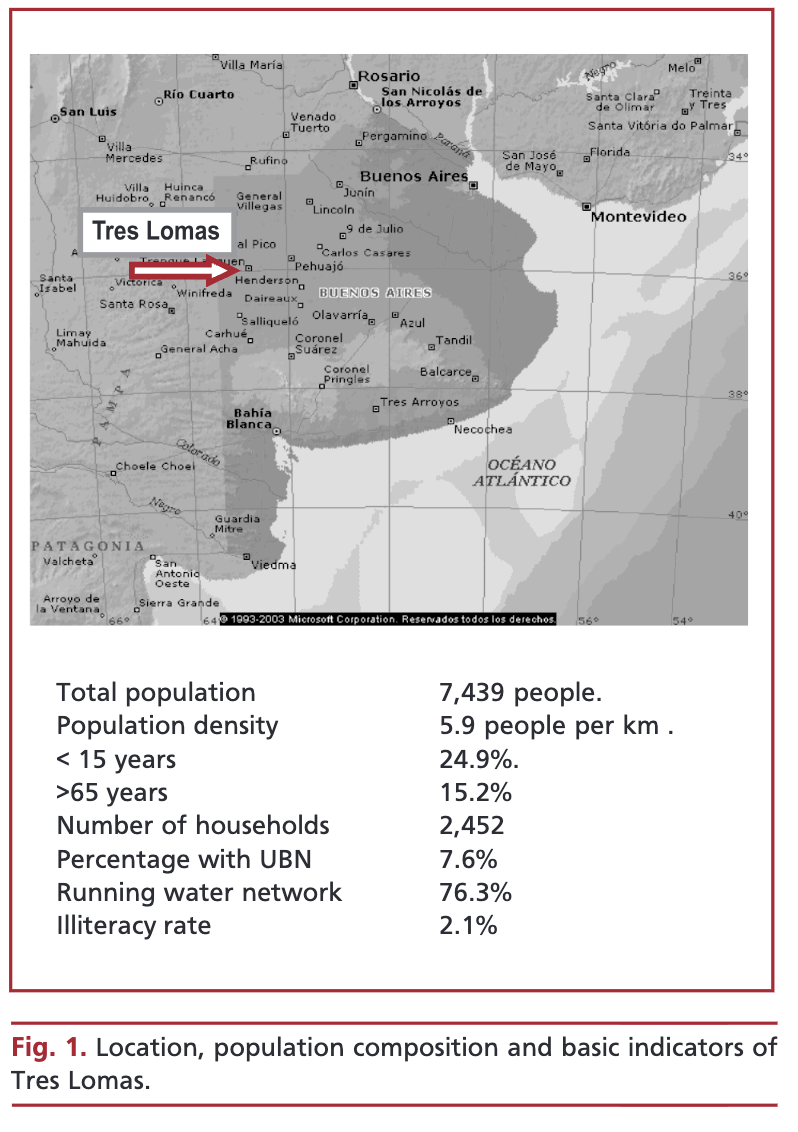
To obtain information on cardiovascular risk factors in the population of Tres Lomas (Buenos Aires), estimate the global cardiovascular risk (GCR) and compare these results with those described for the whole Argentina.
Material and Methods
Five hundred and twenty two adults from Tres Lomas were randomly surveyed. The PAHO questionnaire for epidemiological surveillance was used and anthropometric measurements were estimated. Lipid levels and glycemia were determined in 100 subjects in order to estimate GCR, defined as the probability to develop a new non-fatal event or coronary death over the next 10 years. Finally, these prevalence rates were compared to the national estimations.
Results
The prevalence of diabetes (7.7% versus 11.9%; p<0.0001), smoking habits (27.7% versus 33.4%; p<0.0054) and depression (14.4% versus 22.8%; p<0.0001), was lower than the country’s average; however, the rate of overweight and obesity was greater (58.4% versus 49.1%; p<0.0001). Although blood pressure measurement was more frequent than the average (82.2% versus 68.4%; p<0.0001), determinations of glycemia and cholesterol levels were less frequent than expected (50.2% versus 69.3%; p<0.0001 and 60.3% versus 72.8%; p < 0.0001, respectively). Fruit and vegetable consumption was greater than in the whole country (82.6% versus 64.7%; p<0.0001). At least one fifth of the population presented a moderate [21% (13.1-28.9%)] to high [12% (5.4-18.6%)] GCR.
Conclusions
The prevalence of diabetes, smoking habits and depression was lower in Tres Lomas, although overweight and obesity were more frequent than the country’s average. Blood pressure control was more frequent and determinations of glycemia and cholesterol levels were lower than expected. At least one fifth of the population presented a moderate to high GCR of developing a coronary event or death over the next 10 years.
Downloads
Published
Issue
Section
License
Copyright (c) 2026 Argentine Journal of Cardiology

This work is licensed under a Creative Commons Attribution-NonCommercial-ShareAlike 4.0 International License.





