
Rheological and Biomechanical Factors Influencing Atherosclerosis and Restenosis Part One
pp 287-295
DOI:
https://doi.org/10.7775/rac.v65i3.3514Keywords:
Shear stress, Atherosclerosis, Fluid dynamicsAbstract
The architecture of the vascular system and the rheologic qualities of blood flow lead to changes in fluid dynamics that require constant adaptations of the vascular wall. It is known that atherosclerosis lesions develop more frequently around artery bifurcations where blood flow dynamics changes. These observations allowed to establish a relationship between the biomechanical forces, specially shear stress, and the origin and progression of atherosclerosis. Since many years ago, it has been questioned if atherosclerosis predominates at sites of high or low shear stress. In order to understand how the biomechanical forces act in the development and progression of atherosclerosis, basic principles of fluid dynamics, are analized, specially those applied to the coronary circulation, and the effects of shear stress on each component of the vascular wall and blood cells are reviewed from the early to the late stages of the disease.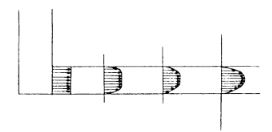
Downloads
Published
2026-03-30
Issue
Section
ORIGINAL ARTICLES
License
Copyright (c) 2026 Argentine Journal of Cardiology

This work is licensed under a Creative Commons Attribution-NonCommercial-ShareAlike 4.0 International License.





