
Role of Myosin Inhibitors in Hypertrophic Cardiomyopathy: Evidence Review and Clinical Application
pp. 372-379
DOI:
https://doi.org/10.7775/rac.es.v93.i5.20924Keywords:
Hypertrophic cardiomyopathy, Mavacamten, Aficamten.Abstract
Hypertrophic cardiomyopathy (HCM) is a complex genetic disorder that can lead to severe complications, such as heart failure and potentially life-threatening arrhythmias. Various therapeutic options are widely used, including beta-blockers, calcium channel blockers, and disopyramide. However, a significant proportion of patients with HCM continue to experience refractory symptoms despite pharmacological treatment, often requiring invasive procedures such as septal reduction therapies.
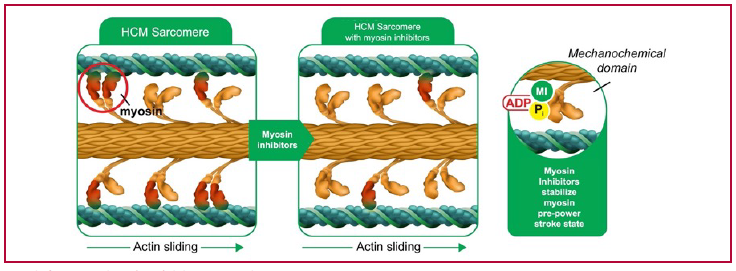
In this context, myosin inhibitors have emerged as an innovative strategy targeting the underlying pathophysiological mechanisms of the disease. By inhibiting cardiac myosin ATPase activity, these agents reduce hypercontractility, improve myocardial relaxation, and result in significant symptom relief, positively impacting the quality of life of patients with obstructive HCM.
This review article discusses the mechanisms of action of myosin inhibitors, the available clinical evidence, therapeutic indications, and practical aspects of their use.
Downloads
Published
Issue
Section
License
Copyright (c) 2025 Argentine Journal of Cardiology

This work is licensed under a Creative Commons Attribution-NonCommercial-ShareAlike 4.0 International License.





